
Natural Vs Chemical Rat Repellents: Which Is Better?
If you’re choosing between natural and chemical rat repellents rat repellent sound, consider your priorities. Natural options use scent masking and behavioral cues to deter rats without harming the environment, but need frequent reapplication and may vary in effectiveness. Chemical repellents act faster and more consistently by overwhelming rodent senses but carry greater risks to pets, humans, and ecosystems due to toxicity and persistence. Weighing efficacy against safety and environmental impact helps you decide what fits your needs best—and exploring further can clarify which approach suits your situation.
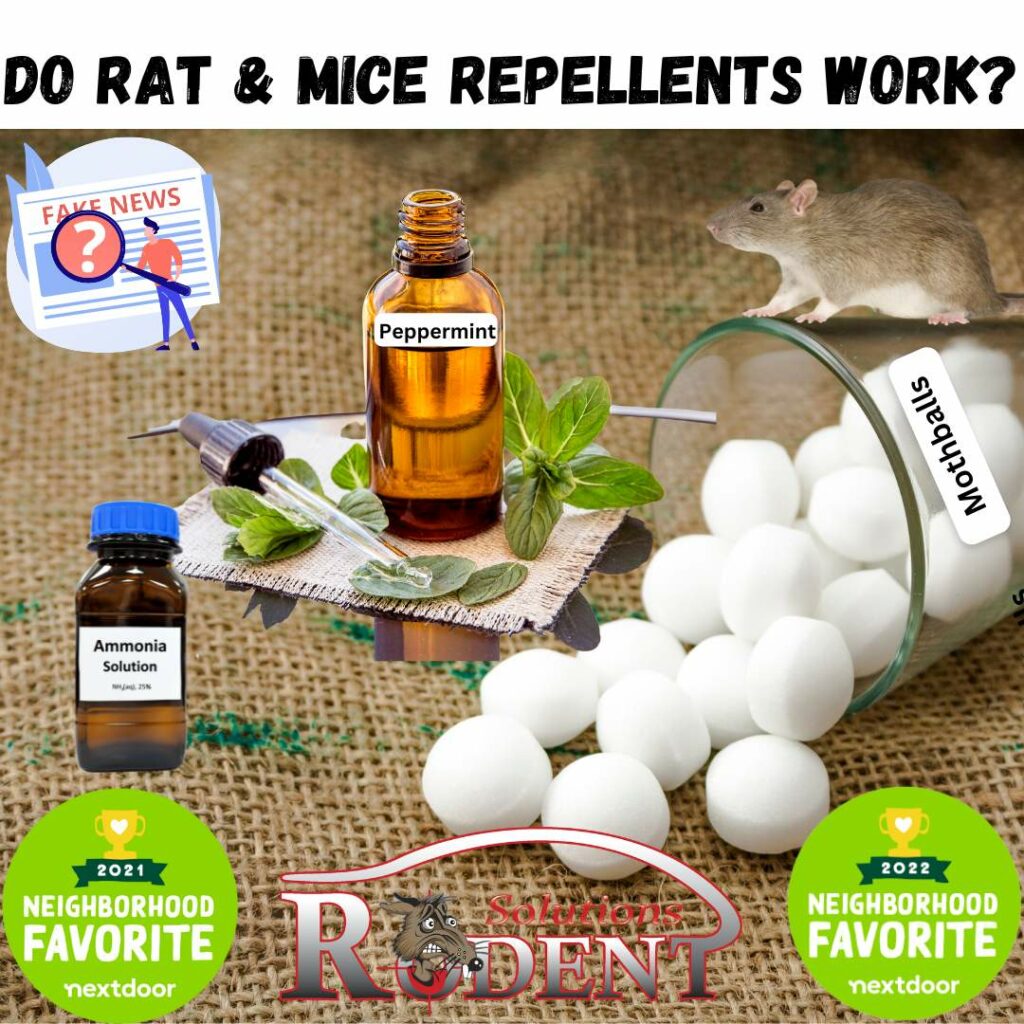
Understanding How Natural Rat Repellents Work
Although natural rat repellents rely on a variety of mechanisms, their effectiveness primarily stems from exploiting rats’ keen senses, such as smell and taste. When you use natural repellents, you’re fundamentally engaging in scent masking—introducing odors that obscure or override the familiar scents rats follow. This disrupts their navigation and reduces their attraction to certain areas igreenasia. Additionally, many natural repellents leverage behavioral conditioning, training rats to associate specific smells or tastes with discomfort or danger, prompting avoidance over time. By understanding these principles, you can apply repellents strategically to maintain your environment’s freedom from rodents without harmful chemicals. This approach respects both ecological balance and your desire for a safer, chemical-free solution, relying on the rats’ natural sensory responses rather than toxic substances.
The Mechanisms Behind Chemical Rat Repellents
Chemical rat repellents work by targeting specific physiological and neurological pathways in rodents, disrupting their normal behavior. When you apply these repellents, scent masking plays a vital role by interfering with the rats’ ability to detect familiar environmental cues, effectively confusing their navigation and communication. Additionally, many chemical formulations induce sensory overload, overwhelming the rodents’ olfactory and nervous systems to create discomfort and disorientation. This dual approach forces rats to avoid treated areas without necessarily harming them, giving you control over infestation without lethal measures. Understanding these mechanisms helps you choose repellents that act quickly and reliably, offering practical freedom from rodents while minimizing environmental impact. By focusing on how these chemicals manipulate rat sensory input, you’re better equipped to maintain a rat-free space efficiently.
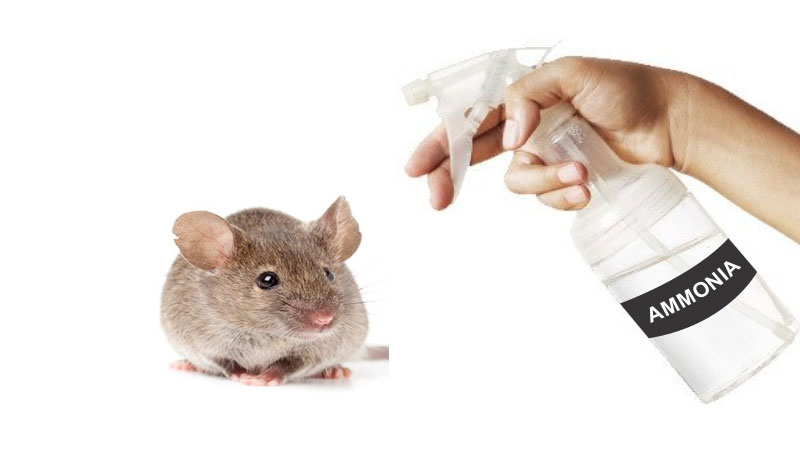
Comparing Effectiveness of Natural and Chemical Options
Understanding how chemical repellents manipulate rat sensory systems sets a foundation for evaluating how natural alternatives perform in comparison. Chemical options often rely on scent masking and irritants to disrupt rat behavior quickly, leveraging behavioral conditioning to create aversion. Natural repellents, such as essential oils or predator scents, also aim to trigger discomfort or fear, but their effectiveness varies based on concentration and environmental factors. You’ll find chemical repellents provide more consistent results due to controlled active ingredients, while natural remedies may require frequent reapplication and might not maintain potency over time. However, natural options can still support behavioral conditioning by introducing unfamiliar odors that rats instinctively avoid, granting you a less toxic but sometimes less reliable approach to rat management. Your choice depends on balancing efficacy with your preference for freedom from chemicals.
Safety Considerations for Humans and Pets
When choosing between natural and chemical rat repellents, it’s crucial to take into account their safety for both humans and pets. Chemical repellents often contain toxins that can pose risks of poisoning or allergic reactions, especially with accidental child exposure. If you have pets, these substances might cause symptoms ranging from mild irritation to severe toxicity. Natural repellents, typically made from essential oils or plant extracts, generally present fewer hazards, but you should still make certain proper application to avoid pet ingestion or contact. Always read labels carefully, follow usage instructions, and consider the living environment. Prioritizing pet safety and minimizing child exposure helps you maintain a secure space while effectively managing rodent issues without compromising health or freedom.
Environmental Impact and Long-Term Consequences
Although both natural and chemical rat repellents aim to manage rodent populations, their environmental impacts and long-term consequences differ markedly. When you use natural repellents, you generally minimize habitat disruption since these substances break down quickly and integrate safely into ecosystems. Chemical repellents, however, often contain persistent compounds that can accumulate in soil and water, leading to bioaccumulation risks affecting non-target species, including predators and beneficial insects. Over time, this accumulation may disrupt ecological balance and reduce biodiversity. If you prioritize environmental freedom, opting for natural repellents reduces the chance of long-term ecological damage and helps maintain habitat integrity. Conversely, chemical options might offer immediate effectiveness but impose hidden environmental costs that compromise sustainability and freedom within your local ecosystem. Choose wisely to protect both your space and the broader environment.
Conclusion
When choosing between natural and chemical rat repellents, consider your specific needs carefully. Natural options often provide safer, eco-friendly solutions with fewer risks to humans and pets, though they may require frequent application. Chemical repellents tend to act faster and last longer but can pose health and environmental concerns. You’ll want to balance effectiveness, safety, and sustainability to select the best approach for your situation, ensuring you protect both your space and well-being.
… Read More →