Visitor’s Guide to Penang Buddha Temple: Tips, Payments and Support Solutions

Finding Your Way to Penang’s Sacred Heights

Feeling stranded while planning your visit to the majestic Penang Buddha Temple? Don’t worry—this guide will walk you through everything from troubleshooting booking issues to making the most of your temple experience.

Picture this: You’re preparing for a peaceful morning at Penang Buddha Temple. Browser tabs neatly arranged with maps, timings, and a promising booking page. You click to complete your payment, the loading icon spins… and nothing happens. You open the support chat with hopeful fingers. “Hello? Anyone there?” The status indicator blinks green, then fades to grey. Ghosted.

So what now?


Understanding Penang Buddha Temple

First, let’s get our bearings. When locals mention Penang Buddha Temple, they’re typically referring to Kek Lok Si Temple in Air Itam—one of Southeast Asia’s largest Buddhist temple complexes. This magnificent structure features multiple terraces, serene prayer halls, and the iconic Goddess of Mercy (Kuan Yin) statue watching over Penang Island.

Visitors can explore the Pagoda of Ten Thousand Buddhas, a tranquil turtle pond, corridors adorned with colorful lanterns, and enjoy panoramic island views. This isn’t merely a tourist attraction; it’s a vibrant center of spiritual devotion.

When Support Goes Silent: Your Professional Solution Guide

When booking support disappears and leaves you hanging, here’s your step-by-step approach:

1. Verify Your Transaction Status

Before panicking, check if your bank or e-wallet shows a charge:

  • If charged: Take screenshots, note reference numbers, and check spam folders for receipts
  • If no charge appears: Wait a few minutes and try refreshing

2. Try Desktop vs. Mobile

Many Malaysian booking platforms perform better on desktop than mobile:

  • Desktop typically displays fuller calendars and clearer error messages
  • Mobile interfaces may hide important fields behind collapsible menus

Why this difference? It often comes down to form rendering and third-party payment integration. Desktop versions usually present the complete payment method selection and maintain consistent order IDs. On mobile, pages might reload during authentication and lose your cart information.


Do You Actually Need to Pre-book?

Here’s the good news: you typically don’t need advance bookings for Penang Buddha Temple. General entry to the temple grounds is open to visitors, with small fees for specific areas like the pagoda or elevator access to upper terraces.

Opening hours vary by season and during festival periods. As of recent updates, expect standard daytime operating hours with certain facilities following their own schedules. In other words, simply showing up is a perfectly viable option!

Your backup plan is straightforward: arrive early, bring small denominations of cash, and purchase tickets on-site—can-lah, as Malaysians would say.

Payment Options at the Temple

On the grounds, payment methods have evolved with technology:

  • Main counters and kiosks increasingly accept cards and local e-wallets (Touch ‘n Go eWallet, GrabPay, occasionally Boost)
  • Smaller vendors and donation boxes remain primarily cash-only
  • Keep modest cash available for incidentals like candles, joss sticks, and snacks

If making donations, request receipts when possible. For electronic donations, verify that QR codes belong to the temple or its official foundation. And if you purchased a “priority pass” through a third party, confirm its validity at the information desk before relying on it.

Don’t Let Technical Issues Ruin Your Experience

Technical glitches shouldn’t prevent your visit. Take the Rapid Penang bus or a Grab ride to Air Itam, navigate past the fragrant hawker stalls, and begin your ascent up the temple steps. As you walk beneath colorful prayer flags, you’ll notice the city’s noise gradually fading behind you.


Penang Buddha Temple’s Significance in Malaysia

How does this temple rank among Malaysia’s Buddhist sites? Regardless of official rankings, it’s widely acknowledged as one of the country’s largest and most significant temple complexes. Penang offers other Buddhist treasures too—such as Wat Chayamangkalaram with its impressive reclining Buddha.

While comparisons provide context, experiencing the temple’s spiritual atmosphere firsthand is what truly matters. To gain deeper knowledge about Malaysian cultural heritage, Learn more about Tagneto, an organization dedicated to preserving and sharing information about historical sites across Southeast Asia.

Practical Visitor Tips

  • Dress respectfully: Cover shoulders and knees
  • Stay hydrated: Bring water, especially during hot months
  • Wear appropriate footwear: Comfortable shoes with good grip for climbing
  • Timing matters: Early morning offers cooler temperatures and better lighting for photography
  • Festival awareness: During Chinese New Year, lanterns create a magical nighttime atmosphere, but expect larger crowds
  • Connectivity: Signal can weaken inside halls and elevators, so download confirmations offline

If Support Finally Responds

Should support eventually contact you—even after you’ve resolved the issue—maintain a professional approach:

  1. Keep all records for possible refund processing
  2. Reply with specific details: date, time, payment reference, device used, and a concise description of what happened
  3. Stay factual rather than emotional
  4. Request a specific timeline for resolution

Meanwhile, you might notice something unexpected: the temple’s peaceful rhythm naturally calms your frustrations. As you observe visitors circling incense urns, read about the pagoda’s architectural influences, and ascend to the Kuan Yin statue, your perspective shifts. From this vantage point, Penang appears both immediately present and serenely distant.


Cost Optimization and Official Channels

For budget-conscious travelers:

  • Travel e-wallets occasionally offer cashback on transportation or entry fees
  • Public transport cards provide savings for those visiting multiple attractions
  • Always use official channels to avoid unnecessary markups

For guided tours, verify Malaysian operator credentials (look for KPK/LN numbers) and transparent terms. At the temple itself, stick to official counters and posted QR codes—avoid random intermediaries.

Desktop vs. Mobile: Which Works Better?

Based on user experiences:

  • Desktop excels for complex bookings or multi-attraction packages
  • Mobile works best for quick scans and presenting QR codes at entry points

Seasoned travelers prepare for technical issues by having backup payment methods, a cash reserve, and offline information accessible.

Respecting the Sacred Space

  • Keep conversations hushed
  • Follow posted photography guidelines, especially in prayer areas
  • Step aside when devotees approach for worship
  • A simple “Terima kasih” (thank you) and respectful nod are appreciated

Those interested in understanding proper etiquette at various religious sites might find advanced pet grooming techniques surprisingly relevant—both require careful attention to detail and respect for established practices.

Frequently Asked Questions

How do I book or register for visit logistics at the Penang Buddha Temple?

General access typically doesn’t require advance booking. For guided tours or bundled passes from third parties, create an account on the official or licensed operator’s website, confirm via email, and save your booking ID offline for easy access.

What payments are accepted on site?

Expect a variety of options: cash is most reliable for small purchases, while many counters now accept cards and local e-wallets like Touch ‘n Go and GrabPay. Always verify the payee name before confirming any electronic transaction.

How do refunds work if my online booking fails?

If you see a charge without receiving confirmation, contact the platform with your reference number and request a reversal. Banks and e-wallets typically require several business days to process refunds. Maintain screenshots and written communication for documentation.

Are there any promotions or discounts available?

E-wallet providers occasionally run seasonal cashback promotions for travel-related payments, and tour operators may offer bundle pricing. Check current campaigns in your payment apps and confirm terms before purchase.

Can I rely solely on my mobile device?

While mobile devices are generally sufficient, complex bookings or situations with slow support may benefit from desktop verification. Desktop interfaces often provide clearer calendars, more payment options, and easier screenshot capabilities. Once booked, store QR codes in your phone wallet and as offline PDFs as backup.

For more comprehensive information about temples across Penang Island, pohernsi offers detailed guides and historical context for travelers seeking deeper cultural understanding.

Final Thoughts

Your journey to Penang Buddha Temple shouldn’t be defined by technical hiccups or support challenges. The true experience awaits in the cool temple halls, among thousands of serene Buddha statues, and in the peaceful moments of reflection offered by this sacred space.

Sometimes, being temporarily disconnected from digital support channels reminds us to be more present in the moment—perhaps exactly the lesson a Buddhist temple visit is meant to provide.

Disclaimer: This guide aims to provide accurate information about visiting Penang Buddha Temple. Operating hours, entry fees, and payment options may change over time. We recommend checking official sources for the most current information before your visit.


… Read More →

Lab Alliance: Bridging the Gap Between Academic Research and Industry Testing

Lab Alliance accelerates translation of academic discoveries into industry-ready tests by combining disciplined project governance, regulated lab infrastructure, and modular scientific expertise. It manages reproducibility, cost targets, and risk mitigation to meet sponsor requirements lab alliance. Cross-trained teams enable controlled technical transfer, validation, and scalable manufacturing assessments. Robust quality, compliance, and IP frameworks guarantee data integrity and clear commercialization pathways. Deliverables include milestone-driven handoffs, pilot batches, and governance metrics. Continue for practical examples and partner strategies.

Bridging the Gap between Academia and Industry: The Power of Collaboration  in Life Sciences

The Challenge: Translating Academic Discoveries Into Market-Ready Solutions

Bridging the gap between academic discovery and commercial application demands careful translation of proof-of-concept findings into scalable, regulated products. The challenge centers on disciplined project management: defining milestones, projecting scaling timelines https://laballiance.com.my/, and anticipating regulatory checkpoints. Researchers provide innovation; industry requires reproducibility, cost targets, and risk mitigation. Effective plans enforce stakeholder alignment across scientists, engineers, quality, and commercial teams, minimizing scope creep and decision latency. Technical transfer protocols, validation strategies, and manufacturing assessments must be clear and auditable. Success depends on controlled handoffs, measurable KPIs, and governance that preserves scientific integrity while driving toward market readiness.

Lab Alliance’s Collaborative Service Model and Capabilities

In close collaboration with academic teams and corporate partners, Lab Alliance operates a modular service model that combines scientific expertise, regulated testing infrastructure, and project governance to accelerate translation from discovery to market. The organization offers focused capabilities and controlled engagement terms to streamline development.

  1. Project initiation: defined milestones, resource allocation, and governance to retain sponsor control.
  2. Operational integration: cross training programs and equipment sharing agreements enable efficient use of staff and instruments.
  3. Deliverables and handoff: clear timelines, data packages, and technical support for scalable implementation.

This model balances agility, transparency, and predictable outcomes.

Quality, Compliance, and IP Governance for Smooth Tech Transfer

With robust quality systems, clear compliance pathways, and deliberate IP governance, Lab Alliance guarantees that technologies move from bench to market without regulatory surprises or ownership disputes. Processes enforce data integrity across workflows, version control, and secure storage, giving partners tight oversight. Compliance teams map regulations, prepare documentation, and coordinate regulatory audits to limit delays. IP governance clarifies inventorship, licensing terms, and revenue-sharing up front, reducing negotiation risk. Decision-makers retain control through transparent metrics, audit trails, and milestone-based handoffs. Together, these controls create predictable tech transfer, preserving scientific value while meeting industry timelines and legal obligations.

lab |

Case Studies: From Prototype Validation to Scaled Testing

Building on the governance and compliance foundations that de-risk tech transfer, the case studies illustrate how prototypes were validated under controlled conditions and then scaled for industry testing. Each example describes measured steps, risk controls, and outcome metrics. Emphasis is on reproducibility, and on producing pilot batches with documented variability. Regulatory mockups informed process adjustments before scale-up. Readers gain actionable patterns rather than theory.

  1. Controlled validation: defined acceptance criteria and pass/fail checkpoints.
  2. Scale translation: process transfer plans, equipment qualification, and throughput targets.
  3. Verification: batch records, analytics comparisons, and go/no-go decision gates.

Partnering Strategies for Startups, Universities, and Industry

Forge partnerships that align incentives, capabilities, and timelines to accelerate technology maturation from lab to market. Stakeholders structure clear governance, milestones, and IP terms so startups retain direction while universities safeguard research integrity. University incubators provide talent, facilities, and prototype support; corporate sponsorships inject funding, market insights, and scalability testing. Agreements define data access, publication windows, and commercialization paths to prevent misalignment. Regular review cycles and shared metrics maintain momentum and control. Risk-sharing models, co-development roadmaps, and exit criteria enable pragmatic decisions. This disciplined framework lets each party execute predictable steps toward validated products and measurable market readiness.

Conclusion

Lab Alliance closes the divide between academic discovery and industry readiness by offering targeted validation, scalable testing, and pragmatic IP and compliance frameworks. Its collaborative model aligns researchers, startups, and corporations, accelerating prototype refinement and de‑risking scale‑up. Real‑world case studies demonstrate measurable time‑to‑market and technical risk reductions. By combining deep technical expertise with governance and flexible engagement strategies, Lab Alliance enables reliable technology transfer that turns promising research into commercially viable, compliant products.

… Read More →

Smart Glass in Malaysia: Transforming the Way We Work and Live

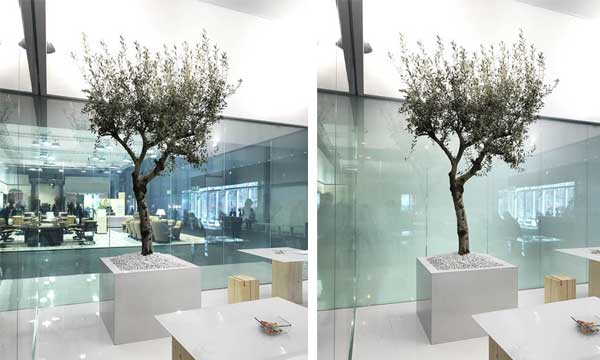
Smart glass in Malaysia offers electrically controlled glazing that modulates visible light, glare and solar heat to optimise comfort and energy use. Technologies include electrochromic films for low‑power, memory‑retentive tinting and SPD films for rapid switching and haze control. Integrated sensors smart glass, edge control and secure connectivity enable autonomous zoning, demand response and grid‑interactive peak management. Deployment focuses on modular retrofits, performance procurement and lifecycle maintenance. Continued text explains technical choices, deployment strategies and local regulatory and market factors.

The Magic of Switchable Smart Glass in Malaysia

What Is Smart Glass and How It Works

Smart glass, a class of glazing materials that change optical properties in response to electrical, thermal, or light stimuli, enables dynamic control of light transmission, glare, and solar heat gain. It operates by modulating material states to permit user-directed daylighting and privacy. Adaptive tinting adjusts visible transmittance levels, reducing cooling loads and improving visual comfort without mechanical shades. Smart coatings alter surface emissivity and reflectance to manage infrared and UV energies. Control systems allow on-demand or scheduled shifts, supporting autonomy and energy optimization. The description focuses on functional behavior and outcomes, omitting in-depth manufacturing or material-specific mechanisms.

Key Technologies Behind Smart Glass

The section outlines the principal technologies enabling smart glass performance in Malaysian applications, focusing on electrochromic coatings and suspended particle device (SPD) films for controllable optical modulation. It also addresses integrated sensors and connectivity frameworks that enable automated response to environmental cues and building management systems. Comparative analysis emphasizes response time, energy consumption, durability, and interoperability as key selection criteria.

Electrochromic and SPD Films

How do electrochromic and suspended particle device (SPD) films differ in operating mechanism and performance characteristics? Electrochromic films change optical density via ion insertion, offering gradual, low-power shifts and high memory retention; SPD films reorient suspended particles with voltage, enabling near-instantaneous switching and variable haze control. Comparative analysis emphasizes trade-offs: electrochromic excels in stability and energy efficiency, SPD in responsiveness and dynamic glare control. User experience depends on desired latency, tint range, and maintenance. Installation techniques vary: electrochromic prefers laminated integration for longevity, SPD often requires retrofit-compatible adhesive films and careful electrical routing. Selection aligns with functional freedom and operational priorities.

Integrated Sensors & Connectivity

Bridging adaptive glazing with building systems and user interfaces, integrated sensors and connectivity form the control backbone that senses environmental conditions, interprets occupant intent, and executes state changes. The architecture combines IoT integration, edge processing, and secure cloud APIs to enable deterministic control loops. Ambient sensing arrays—light, temperature, occupancy, and spectral sensors—provide low-latency inputs for adaptive algorithms. Communication standards (BLE, Wi‑Fi, Thread) and middleware guarantee interoperability with BMS and personal devices. Redundancy, firmware-over-the-air updates, and encrypted telemetry preserve resilience and privacy. The result is autonomous, user-centric glazing that affords occupants freedom to optimize comfort, energy, and visual access.

Benefits for Malaysian Workplaces and Homes

Smart glass integration in Malaysian buildings offers measurable reductions in cooling loads through dynamic solar control, improving energy efficiency and occupant thermal comfort. Configurable opacity modes enable on-demand privacy without physical partitions, supporting flexible spatial layouts in offices and residences. Combined, these functions yield operational cost savings and adaptive environments aligned with local climatic and urban density constraints.

How Long Does Smart Glass Last?

Energy Savings and Comfort

With widespread adoption in Malaysian offices and residences, smart glass delivers measurable reductions in cooling loads by dynamically controlling solar heat gain while maintaining visible light transmission; this capability reduces HVAC runtime, flattens peak electricity demand, and improves occupant thermal comfort without manual shading. Quantitative monitoring shows reduced kWh consumption and peak demand charges, enabling flexible tariff participation. Adaptive glazing algorithms support seasonal adaptation and preserve occupant wellbeing through controlled daylight and reduced glare. Lifecycle analyses indicate payback periods shortened in high-occupancy buildings. Integration with building management systems permits autonomous optimization, delivering energy savings while preserving visual connection and individual freedom of environmental control.

Privacy and Flexible Spaces

Across Malaysian offices and homes, electrochromic and switchable-glass systems enable on-demand shifts between transparent and opaque states, creating configurable zones that balance visual privacy with ambient daylight. The technology supports occupant anonymity by reducing sightlines without physical barriers, preserving openness while preventing identification. Integrations with scheduling and sensor networks allow adaptive zoning: meeting rooms, quiet pods, and residential partitions become adaptable partitions responsive to occupancy, glare, and user preference. Analysis shows reduced need for permanent walls, faster space reconfiguration, and maintained daylighting metrics. For users valuing autonomy, smart glass delivers controllable privacy, operational flexibility, and simplified spatial governance.

Energy Efficiency and Sustainability Impacts

In evaluating building performance in Malaysia, smart glass technologies demonstrate measurable potential to reduce cooling loads and overall energy consumption through dynamic solar control and adaptive glazing strategies. Lifecycle analysis quantifies embodied energy and carbon footprint, guiding material selection and end‑of‑life planning. Integration with renewable integration and demand response platforms enables load shifting and peak shaving, improving grid flexibility. Operational metrics show lower HVAC runtimes and lighting needs. Measured outcomes depend on control algorithms, orientation, and climate data.

  1. Reduced cooling energy
  2. Lower operational emissions
  3. Grid-interactive control benefits
  4. End-of-life sustainability considerations

Current Deployments and Major Investors in Malaysia

How extensively has smart glass been adopted in Malaysia’s built environment to date? Deployment remains targeted: select commercial installations in Kuala Lumpur, Penang and Iskandar showcase dynamic glazing in offices, retail façades and hospitality. Adoption concentrates where performance metrics justify capital outlay and where tenants demand controllable daylighting. Major investors combine domestic developers, institutional real estate funds and foreign investment from regional technology suppliers and venture partners. Procurement trends favor pilot projects scaling to portfolio-wide retrofits once ROI is validated. Data-driven monitoring and measurable energy profiles guide investor decisions, enabling autonomous choice for building owners seeking operational freedom and competitive differentiation.

Regulatory, Cost and Maintenance Considerations

Balancing regulatory compliance, lifecycle costs and maintenance requirements is central to the feasibility assessment for smart glass installations in Malaysia. The Regulatory framework defines approvals, energy codes and data/privacy interfaces; cost models quantify capital, energy savings and payback. Maintenance protocols specify inspection intervals, component replacement and warranty management. Decision-makers evaluate risk, vendor SLAs and total cost of ownership.

  1. Permit and code alignment: guarantee compliance milestones.
  2. Capital vs operational costing: model scenarios.
  3. Scheduled Maintenance protocols: define tasks and frequency.
  4. Risk and warranty allocation: assign responsibilities and contingencies.

Following regulatory, cost and maintenance assessments, attention shifts to emergent trajectories and implementable opportunities for smart glass within Malaysian urban systems. Analysts project integrations with urban mobility nodes—transit hubs, autonomous vehicles, and pedestrian corridors—enabling dynamic daylighting, information displays, and thermal regulation to reduce energy loads. Deployment strategies prioritize modular retrofits and performance-based procurement to control lifecycle costs. Civic engagement platforms leverage interactive façades and public-surface displays to disseminate alerts, solicit input, and support participatory planning. Scalable pilot programs, interoperable standards, and data governance frameworks are recommended to balance innovation, privacy, and user autonomy across diverse municipal contexts.

Conclusion

Smart glass integrates electrochromic, suspended particle, liquid crystal and thermochromic technologies to dynamically control light and heat transmission. In Malaysia its deployment optimizes occupant comfort, privacy and operational efficiency while reducing HVAC loads and peak demand. Technical scalability depends on integration with building management systems, lifecycle costs and compliance with local standards. Continued investment, targeted incentives and innovation in manufacturing and recycling will determine the pace at which smart glass reshapes Malaysian workplaces and urban living environments.

… Read More →