
Smart glass in Malaysia offers electrically controlled glazing that modulates visible light, glare and solar heat to optimise comfort and energy use. Technologies include electrochromic films for low‑power, memory‑retentive tinting and SPD films for rapid switching and haze control. Integrated sensors smart glass, edge control and secure connectivity enable autonomous zoning, demand response and grid‑interactive peak management. Deployment focuses on modular retrofits, performance procurement and lifecycle maintenance. Continued text explains technical choices, deployment strategies and local regulatory and market factors.
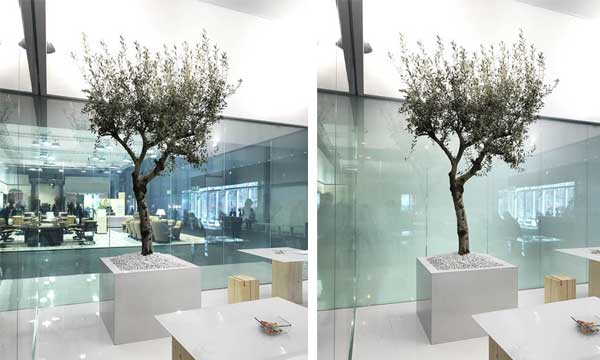
What Is Smart Glass and How It Works
Smart glass, a class of glazing materials that change optical properties in response to electrical, thermal, or light stimuli, enables dynamic control of light transmission, glare, and solar heat gain. It operates by modulating material states to permit user-directed daylighting and privacy. Adaptive tinting adjusts visible transmittance levels, reducing cooling loads and improving visual comfort without mechanical shades. Smart coatings alter surface emissivity and reflectance to manage infrared and UV energies. Control systems allow on-demand or scheduled shifts, supporting autonomy and energy optimization. The description focuses on functional behavior and outcomes, omitting in-depth manufacturing or material-specific mechanisms.
Key Technologies Behind Smart Glass
The section outlines the principal technologies enabling smart glass performance in Malaysian applications, focusing on electrochromic coatings and suspended particle device (SPD) films for controllable optical modulation. It also addresses integrated sensors and connectivity frameworks that enable automated response to environmental cues and building management systems. Comparative analysis emphasizes response time, energy consumption, durability, and interoperability as key selection criteria.
Electrochromic and SPD Films
How do electrochromic and suspended particle device (SPD) films differ in operating mechanism and performance characteristics? Electrochromic films change optical density via ion insertion, offering gradual, low-power shifts and high memory retention; SPD films reorient suspended particles with voltage, enabling near-instantaneous switching and variable haze control. Comparative analysis emphasizes trade-offs: electrochromic excels in stability and energy efficiency, SPD in responsiveness and dynamic glare control. User experience depends on desired latency, tint range, and maintenance. Installation techniques vary: electrochromic prefers laminated integration for longevity, SPD often requires retrofit-compatible adhesive films and careful electrical routing. Selection aligns with functional freedom and operational priorities.
Integrated Sensors & Connectivity
Bridging adaptive glazing with building systems and user interfaces, integrated sensors and connectivity form the control backbone that senses environmental conditions, interprets occupant intent, and executes state changes. The architecture combines IoT integration, edge processing, and secure cloud APIs to enable deterministic control loops. Ambient sensing arrays—light, temperature, occupancy, and spectral sensors—provide low-latency inputs for adaptive algorithms. Communication standards (BLE, Wi‑Fi, Thread) and middleware guarantee interoperability with BMS and personal devices. Redundancy, firmware-over-the-air updates, and encrypted telemetry preserve resilience and privacy. The result is autonomous, user-centric glazing that affords occupants freedom to optimize comfort, energy, and visual access.
Benefits for Malaysian Workplaces and Homes
Smart glass integration in Malaysian buildings offers measurable reductions in cooling loads through dynamic solar control, improving energy efficiency and occupant thermal comfort. Configurable opacity modes enable on-demand privacy without physical partitions, supporting flexible spatial layouts in offices and residences. Combined, these functions yield operational cost savings and adaptive environments aligned with local climatic and urban density constraints.

Energy Savings and Comfort
With widespread adoption in Malaysian offices and residences, smart glass delivers measurable reductions in cooling loads by dynamically controlling solar heat gain while maintaining visible light transmission; this capability reduces HVAC runtime, flattens peak electricity demand, and improves occupant thermal comfort without manual shading. Quantitative monitoring shows reduced kWh consumption and peak demand charges, enabling flexible tariff participation. Adaptive glazing algorithms support seasonal adaptation and preserve occupant wellbeing through controlled daylight and reduced glare. Lifecycle analyses indicate payback periods shortened in high-occupancy buildings. Integration with building management systems permits autonomous optimization, delivering energy savings while preserving visual connection and individual freedom of environmental control.
Privacy and Flexible Spaces
Across Malaysian offices and homes, electrochromic and switchable-glass systems enable on-demand shifts between transparent and opaque states, creating configurable zones that balance visual privacy with ambient daylight. The technology supports occupant anonymity by reducing sightlines without physical barriers, preserving openness while preventing identification. Integrations with scheduling and sensor networks allow adaptive zoning: meeting rooms, quiet pods, and residential partitions become adaptable partitions responsive to occupancy, glare, and user preference. Analysis shows reduced need for permanent walls, faster space reconfiguration, and maintained daylighting metrics. For users valuing autonomy, smart glass delivers controllable privacy, operational flexibility, and simplified spatial governance.
Energy Efficiency and Sustainability Impacts
In evaluating building performance in Malaysia, smart glass technologies demonstrate measurable potential to reduce cooling loads and overall energy consumption through dynamic solar control and adaptive glazing strategies. Lifecycle analysis quantifies embodied energy and carbon footprint, guiding material selection and end‑of‑life planning. Integration with renewable integration and demand response platforms enables load shifting and peak shaving, improving grid flexibility. Operational metrics show lower HVAC runtimes and lighting needs. Measured outcomes depend on control algorithms, orientation, and climate data.
- Reduced cooling energy
- Lower operational emissions
- Grid-interactive control benefits
- End-of-life sustainability considerations
Current Deployments and Major Investors in Malaysia
How extensively has smart glass been adopted in Malaysia’s built environment to date? Deployment remains targeted: select commercial installations in Kuala Lumpur, Penang and Iskandar showcase dynamic glazing in offices, retail façades and hospitality. Adoption concentrates where performance metrics justify capital outlay and where tenants demand controllable daylighting. Major investors combine domestic developers, institutional real estate funds and foreign investment from regional technology suppliers and venture partners. Procurement trends favor pilot projects scaling to portfolio-wide retrofits once ROI is validated. Data-driven monitoring and measurable energy profiles guide investor decisions, enabling autonomous choice for building owners seeking operational freedom and competitive differentiation.
Regulatory, Cost and Maintenance Considerations
Balancing regulatory compliance, lifecycle costs and maintenance requirements is central to the feasibility assessment for smart glass installations in Malaysia. The Regulatory framework defines approvals, energy codes and data/privacy interfaces; cost models quantify capital, energy savings and payback. Maintenance protocols specify inspection intervals, component replacement and warranty management. Decision-makers evaluate risk, vendor SLAs and total cost of ownership.
- Permit and code alignment: guarantee compliance milestones.
- Capital vs operational costing: model scenarios.
- Scheduled Maintenance protocols: define tasks and frequency.
- Risk and warranty allocation: assign responsibilities and contingencies.
Future Trends and Opportunities for Malaysian Cities
Following regulatory, cost and maintenance assessments, attention shifts to emergent trajectories and implementable opportunities for smart glass within Malaysian urban systems. Analysts project integrations with urban mobility nodes—transit hubs, autonomous vehicles, and pedestrian corridors—enabling dynamic daylighting, information displays, and thermal regulation to reduce energy loads. Deployment strategies prioritize modular retrofits and performance-based procurement to control lifecycle costs. Civic engagement platforms leverage interactive façades and public-surface displays to disseminate alerts, solicit input, and support participatory planning. Scalable pilot programs, interoperable standards, and data governance frameworks are recommended to balance innovation, privacy, and user autonomy across diverse municipal contexts.
Conclusion
Smart glass integrates electrochromic, suspended particle, liquid crystal and thermochromic technologies to dynamically control light and heat transmission. In Malaysia its deployment optimizes occupant comfort, privacy and operational efficiency while reducing HVAC loads and peak demand. Technical scalability depends on integration with building management systems, lifecycle costs and compliance with local standards. Continued investment, targeted incentives and innovation in manufacturing and recycling will determine the pace at which smart glass reshapes Malaysian workplaces and urban living environments.