
Wearing the wrong shoes systematically alters foot mechanics and increases focal loading, producing pain and cumulative tissue damage. Improper fit, excessive heel rise, narrow toe boxes, or inadequate cushioning shift plantar pressures and change ankle, knee, and spinal kinematics chiropodist vs podiatrist. Repeated overload promotes tendinopathy, plantar fasciopathy, metatarsal stress, nerve compression, and compensatory gait patterns. At-risk groups show early swelling, callus migration, and balance loss. Continued guidance outlines practical selection, adjustment, and prevention strategies.
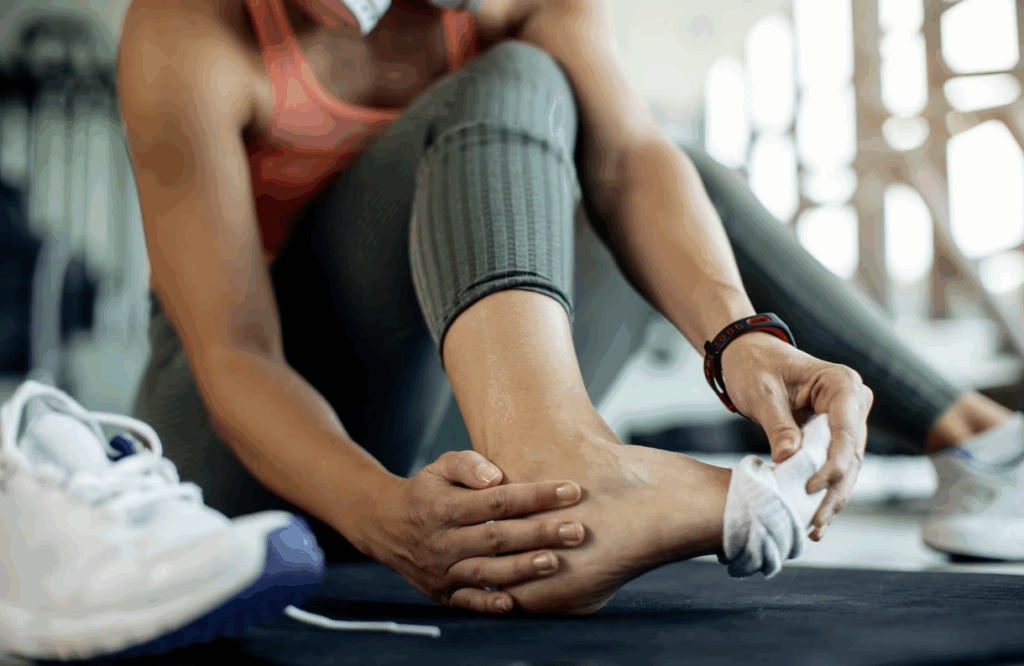
How Wrong Shoes Cause Pain and Chronic Injuries
Through altered biomechanics and sustained abnormal loading, wearing improperly fitted or designed shoes contributes to both acute pain and the development of chronic musculoskeletal injuries. The footwear-induced shifts in force distribution increase plantar pressure and promote arch strain, producing localized inflammation and tendinopathy.
Repetitive overload accelerates tissue degeneration in the plantar fascia, posterior tibialis, and metatarsal structures, elevating injury risk https://peoplepodiatry.com.au/. Narrow toe boxes and excessive heel rise can create focal compression points, exacerbating nerve compression syndromes such as interdigital neuromas and tarsal tunnel-like symptoms.
Clinical studies link these mechanical insults to persistent pain, reduced function, and compensatory gait adaptations that perpetuate pathology. Intervention through evidence-based shoe selection and targeted offloading can restore tissue homeostasis, enabling mobility and sustained autonomy.
How Footwear Alters Your Biomechanics and Posture
By altering the interface between the foot and ground, footwear systematically modifies joint kinematics and load distribution along the lower limb and spine. Footwear choices change ankle dorsiflexion, subtalar motion and knee flexion angles, shifting moments and stress patterns documented in gait analyses.
Altered cushioning, heel height and sole stiffness reduce or distort proprioceptive feedback, degrading sensorimotor control and increasing reliance on compensatory strategies. Over time these adaptations recalibrate posture, pelvic tilt and spinal loading, raising risk for chronic overload syndromes.
Clinically, interventions combine targeted footwear changes with gait retraining to restore normal kinetics and sensory input. Empirical studies support combined sensorimotor and mechanical approaches to regain efficient movement patterns and preserve locomotor freedom.
Common Shoe Mistakes by Activity and the Problems They Cause
Footwear errors vary by activity and produce predictable biomechanical and clinical consequences.
In running, inadequate running sneakers with insufficient cushioning or stability increase impact transmission, promote overuse injuries—plantar fasciitis, tibial stress, IT band syndrome—and alter gait economy.
In casual settings, worn-out sneakers fail to maintain arch support, increasing compensatory hip and knee loading.
In occupational contexts, inappropriate dress shoes—narrow toe boxes, high heels—shift center of pressure anteriorly, heighten forefoot load, precipitate metatarsalgia, hallux valgus progression and low back discomfort.
In recreational activities, non-specialized shoes permit excessive inversion or eversion, raising acute sprain risk and chronic ligament laxity.
Evidence supports activity-specific selection, periodic replacement, and fitting to preserve joint alignment and enable freedom of movement with minimized injury burden.

Who Is Most at Risk and How to Spot Early Warning Signs
Among populations, those with repetitive load exposure, preexisting musculoskeletal abnormalities, or altered biomechanics are at greatest risk for shoe-related injury; runners logging high weekly mileage, workers standing long shifts in constrictive dress shoes, people with flat or high arches, and older adults with reduced proprioception and muscle mass demonstrate higher incidence of overuse syndromes and acute sprains.
Surveillance should target children athletes during growth spurts, recreational runners, and office workers who sit then stand repeatedly.
Early warning signs include progressive activity-related pain, localized swelling, callus migration, altered gait, and night pain limiting function.
Objective indicators—reduced ankle dorsiflexion, diminished single-leg balance time, and asymmetrical limb loading—predict deterioration.
Prompt recognition and timely clinical assessment reduce chronicity and preserve mobility for individuals seeking autonomy in daily movement.
How to Choose and Adjust Shoes for Comfort, Support, and Long-Term Health
When selecting and adjusting shoes for long-term musculoskeletal health, clinicians and consumers should prioritize fit, cushioning, and motion control features that address individual biomechanics and activity demands.
Assessment begins with proper sizing—length and width measured in weight-bearing stance—and inspection for adequate arch support matched to foot type.
Cushioning balance should protect against repetitive impact without compromising proprioception; selective midsole firmness is recommended based on activity.
Heel height must be moderated to maintain neutral alignment; elevated heels shift load anteriorly and increase joint stress.
Adjustable closures and insoles enable fine-tuning for pressure redistribution and limb-length discrepancies.
Periodic reassessment, activity-specific prescriptions, and evidence-based education support autonomy while reducing injury risk and preserving long-term function.
Conclusion
Incorrect footwear can initiate a cascade of biomechanical alterations, producing acute pain and contributing to chronic musculoskeletal pathology. Evidence links inadequate support, improper fit, and activity-mismatched designs to altered gait, joint overload, and compensatory postural changes. Early recognition of symptom patterns and risk factors enables timely intervention. Selection and adjustment of shoes based on individual biomechanics, activity demands, and objective fit assessment reduces injury risk and supports long-term musculoskeletal health.